
In the Nigerian construction industry, the finishing touches on a building are critical to its overall appeal and functionality. While drywall is common in some parts of the world, Nigerian construction typically relies on solid external and internal walls made of materials such as concrete blocks and bricks. This article explores the interior finishing and wall installation processes specific to Nigeria, highlighting the unique practices and considerations in the local construction industry.
Introduction to Interior Finishing
Interior finishing in Nigeria involves various tasks that transform the raw structure into a livable and aesthetically pleasing space. This phase includes the installation of walls, plastering, painting, flooring, and the installation of fixtures. It is the stage where the final character and functionality of the space are established, ensuring that the building is not only attractive but also comfortable and practical.
External and Internal Wall Construction
In Nigeria, the construction of external and internal walls is a crucial step in the building process. Unlike drywall, which is lightweight and often used in other regions, Nigerian walls are typically constructed from more durable materials to withstand the local climate and ensure longevity.
Preparation
Before wall construction begins, the foundation and structural framing of the building must be completed. This includes ensuring that all load-bearing elements are properly installed. The site must be cleared of debris to create a safe and efficient work environment.
Laying the Blocks or Bricks
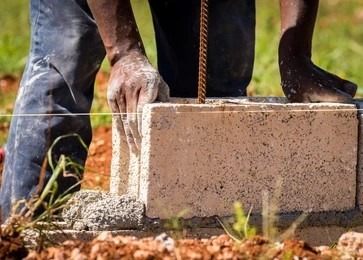
Walls in Nigeria are commonly built using concrete blocks or bricks. The choice between blocks or bricks depends on factors such as cost, availability, and the desired aesthetic. The process involves:
- Mixing Mortar: A mixture of cement, sand, and water is prepared to serve as the adhesive for the blocks or bricks.
- Laying the First Course: The first layer of blocks or bricks is carefully aligned and leveled, as it serves as the foundation for the rest of the wall.
- Building Up: Subsequent courses are laid, with mortar applied between each block or brick. Care is taken to ensure that the walls are straight and level.
Reinforcement and Curing
To enhance the structural integrity of the walls, reinforcement bars (rebar) are often placed within the blocks or bricks. This is particularly important in multi-story buildings. Once the walls are constructed, they need time to cure. Curing is essential for the mortar to gain strength and for the wall to achieve its full load-bearing capacity.
Plastering
After the walls are constructed, plastering is carried out to create a smooth surface suitable for painting or other finishes. Plastering in Nigeria typically involves the following steps:
Surface Preparation
The wall surfaces are cleaned and wetted to ensure proper adhesion of the plaster. Any imperfections or irregularities in the wall are addressed before plastering begins.
Applying the Plaster
A mixture of cement, sand, and water is applied to the wall using trowels. The plaster is spread evenly, and multiple layers may be applied depending on the desired finish. Each layer is allowed to set before the next is applied.
Smoothing and Finishing
Once the plaster has set, it is smoothed with a trowel to achieve a flat, even surface. In Nigeria, where the climate can be humid, proper curing is essential to prevent cracks and ensure a durable finish.
Interior Painting
Painting is the next step after plastering. This stage involves several key processes:
Primer Application
A primer is applied to the plastered walls to seal the surface and enhance paint adhesion. In Nigeria, the use of a primer is especially important due to the high humidity, which can affect the durability and appearance of the paint.
Painting
Once the primer has dried, the walls are painted with the chosen color. Typically, two coats of paint are applied to achieve a uniform finish. The type of paint used can vary, with low-VOC paints gaining popularity in Nigeria due to their reduced environmental impact.
Detailing
After the main painting is completed, detail work such as painting trims and moldings is done. This final step adds to the aesthetic appeal and completes the look of the interior.
Flooring Installation
Flooring is a significant component of interior finishing. Common flooring options in Nigeria include:
Tiles
Ceramic and porcelain tiles are widely used for their durability and ease of maintenance. The installation process involves spreading adhesive on the floor, laying the tiles, and grouting the joints.
Hardwood and Laminate
Wood and laminate flooring are also popular, offering a different aesthetic. Laminate flooring is often chosen for its affordability and ease of installation.
Concrete Floors
In some cases, polished concrete floors are used for a modern, industrial look. This option is durable and well-suited to Nigeria’s climate.
Installing Fixtures and Trim
After painting and flooring, attention turns to the installation of fixtures and trim, including:
Baseboards and Crown Molding
Baseboards and crown molding are installed to cover gaps between the walls and flooring or ceiling. These elements are often painted or stained to match the interior decor.
Doors and Windows
Interior doors and window frames are installed, with materials ranging from solid wood to metal, depending on the budget and preference. Hardware such as handles and hinges are also fitted.
Electrical and Plumbing Fixtures
Fixtures such as lighting, electrical outlets, switches, and plumbing fittings are installed. These must be carefully chosen and placed to ensure safety and functionality.
Quality Control and Final Touches
After the main finishing work is completed, a thorough inspection is conducted to ensure everything meets the required standards. This includes checking the quality of the plastering, ensuring the paint coverage is complete, and verifying that all fixtures are properly installed and functional.
Addressing Local Considerations in Nigeria
Several local factors impact the interior finishing process in Nigeria:
Climate Considerations
Nigeria’s hot and humid climate requires special attention to the materials and methods used in construction. Proper curing times and ventilation are essential to prevent issues such as cracking and mold growth.
Local Building Codes
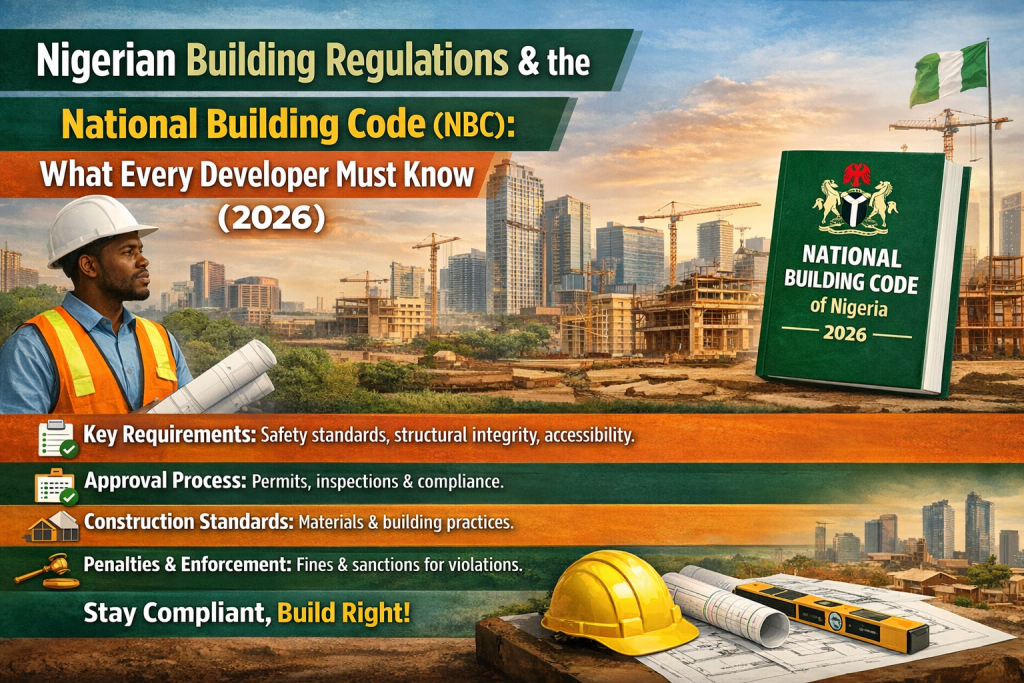
Compliance with Nigerian building codes and standards is crucial. These codes may specify certain materials and construction techniques to ensure safety and quality.
Cultural Preferences
Design preferences in Nigeria often reflect local cultural influences. Incorporating these elements can enhance the appeal and functionality of the finished space.
Conclusion
The construction of internal and external walls, along with the interior finishing processes, are vital stages in building construction in Nigeria. By understanding the local practices and conditions, builders can create spaces that are not only beautiful but also durable and functional. Attention to detail in each step, from wall construction to the final touches, ensures a high-quality finish that meets both aesthetic and practical needs.
Leave a Reply